How to Handle a Blocked Drain in Jardim São Luís: A Local Troubleshooting Guide
Your kitchen sink is backing up, the shower drains slowly, or worse, sewage is rising in the laundry area. Before you panic or start searching for random phone numbers, take a breath. This guide is written the way a community moderator would answer the same questions that pop up in local groups every week: what actually causes these blockages in Jardim São Luís, what you can safely try yourself, and when it is time to call a professional desentupidora Jardim São Luís São Paulo SP.
Jardim São Luís is a dense, mixed-use neighborhood in São Paulo’s south zone. That means older homes share underground lines with newer buildings, restaurants, and small workshops. The result is a network that sees a lot of grease, soap, hair, and sometimes tree roots. Understanding that background is the first step to fixing the problem without making it worse.
Why Blockages Happen More Often in This Neighborhood
Most residents here live in houses or low-rise condos built between the 1970s and 1990s. The original clay and cast-iron pipes are still in service in many streets. Over decades, these materials develop rough inner walls that catch debris. A single flush of cooking oil can start a chain reaction that ends in a full backup weeks later.
Another local factor is the slope of the terrain. Parts of Jardim São Luís sit on gentle inclines, so wastewater moves slower in certain stretches. Slow flow gives solids more time to settle. If you have ever noticed a gurgling sound from your floor drain after using the washing machine, that is a sign of restricted airflow and partial blockage.
The usual suspects in residential lines
- Grease and food scraps from kitchen sinks, especially in homes where the sink strainer is missing.
- Hair and soap scum in bathroom drains, which bind together into a felt-like plug.
- Toilet paper and wipes labeled “flushable” that do not break down in older, low-flow pipes.
- Tree roots entering through joint cracks in the garden or sidewalk area.
Commercial kitchens and small eateries face the same issues but at a faster pace. A grease trap that is not cleaned on schedule will send fat downstream, and the blockage often appears in the shared street line rather than inside the business itself.
A Scenario Walkthrough: From First Gurgle to Final Fix
Let’s walk through a typical case. It is a Saturday morning in a two-story house near Rua Luís Mota. The homeowner notices that the toilet flushes slowly and the shower drains standing water. By lunchtime, the kitchen sink refuses to drain at all.
Step 1: Stop using water immediately
Every additional liter you pour in will push the blockage further down or cause an overflow at the lowest point, which is usually the ground-floor shower or a utility sink. Turn off the washing machine, dishwasher, and any running taps. This single step prevents most indoor flooding.
Step 2: Check the obvious access points
Look for a cleanout cap near the front wall or in the yard. If you can open it safely, you may see standing water, which confirms a blockage downstream. Do not open a cleanout if sewage is already overflowing indoors; call a professional instead. For upper-floor apartments, the cleanout may be in the service area or inside a wall box.
Step 3: Try a plunger or hand snake on fixtures only
A cup plunger works well for a single sink or toilet. A hand auger, sometimes called a drain snake, can reach 5 to 10 meters into a branch line. These tools are safe for traps and short runs. Avoid chemical drain cleaners, especially in older pipes, because they can damage seals and create dangerous fumes when mixed with other products.
Step 4: Know when to call for help
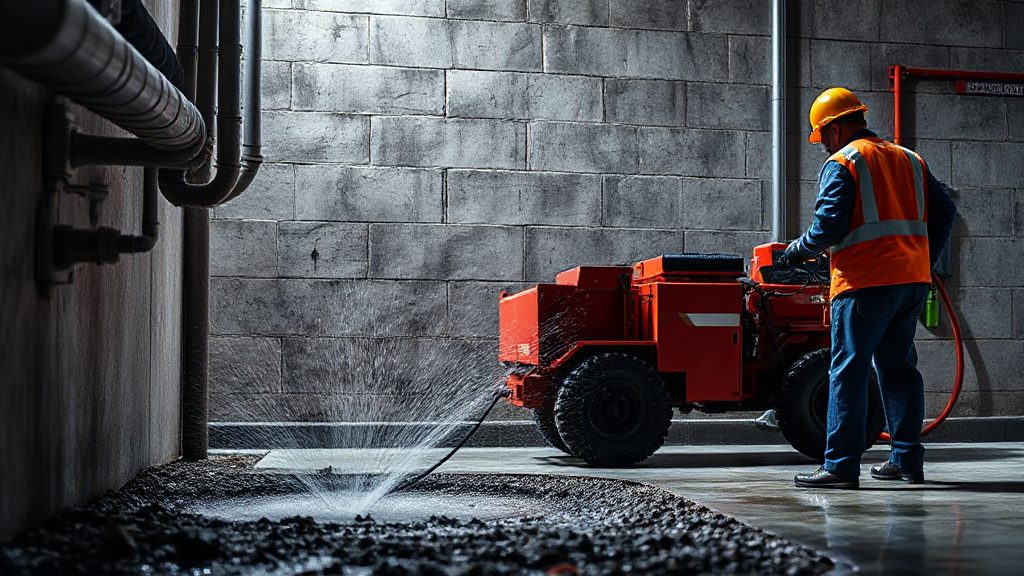
If two or more fixtures are affected, the blockage is likely in the main line. That is the point where a desentupidora Jardim São Luís team with professional equipment becomes the practical choice. A technician can inspect the line with a camera, identify roots or collapsed sections, and use hydrojetting to clear the pipe without harsh chemicals.
In our walkthrough, the homeowner called a local service. The technician arrived within an hour, opened the yard cleanout, and found a grease plug combined with paper buildup about 12 meters out. Hydrojetting cleared it in under 30 minutes, and a follow-up camera check confirmed the pipe was intact. The whole visit cost less than replacing a section of floor tile would have.
Variations for Other Situations You Might Face
Not every blockage looks the same. Here is how the scenario changes depending on where you live and what kind of property you manage.
Apartment buildings and condos
In a vertical condo, a blockage in one unit often affects the stack that serves several floors. If your neighbor below is also complaining, the problem is in the shared column. The building manager should call a desentupidora em Jardim São Luís São Paulo SP that handles condominium lines, because the access point may be in a technical shaft or garage ceiling. Do not let a single unit’s handyman open shared pipes without written permission from the syndic.
Commercial kitchens and restaurants
Grease is the main enemy. A restaurant that experiences slow drainage during peak hours needs a preventive cleaning schedule, not just an emergency call. Hydrojetting with heated water is the standard method for breaking down fat deposits in kitchen lines. Ask for a before-and-after camera record so you can show the landlord or health inspector that the line was properly maintained.
Homes with septic tanks
Some older properties in the neighborhood still use a septic system rather than the public sewer. If your tank has not been pumped in several years, the blockage may actually be a full tank pushing solids into the drain field. In that case, unblocking the pipe without emptying the tank will only give you a few days of relief. A combined service of tank pumping and line clearing is the correct approach.
Night and weekend emergencies
Blockages do not wait for business hours. Sewage backing up at 11 p.m. is a health hazard, especially in homes with children or elderly residents. Look for a service that explicitly offers 24-hour emergency response. Keep the number saved in your phone before you need it, and confirm whether the dispatcher charges a call-out fee outside normal hours.
What a Professional Desentupidora Actually Does
Many people imagine a technician with a plunger and a bucket. In reality, modern drain clearing is a technical service with several distinct stages. Knowing what to expect helps you ask the right questions and avoid being overcharged.
Inspection first, not guesswork
A reputable technician will start with a visual inspection and, if needed, a camera survey. The camera shows whether the blockage is grease, roots, a broken pipe, or a foreign object. This step prevents unnecessary excavation and tells you whether the problem is in your private line or the public network.
Hydrojetting versus mechanical augers
Mechanical augers are effective for soft blockages and short runs. Hydrojetting uses high-pressure water to scour the entire inner wall of the pipe, removing grease and scale. For main lines and commercial kitchens, hydrojetting is usually the better long-term fix because it restores the full diameter of the pipe. A simple comparison:
| Method | Best for | Limitation |
|---|---|---|
| Hand auger | Small fixtures and traps | Short reach, does not clean pipe walls |
| Mechanical snake | Main lines with roots or solid objects | Can miss grease buildup |
| Hydrojetting | Grease, scale, and full-line cleaning | Requires professional equipment and access |
Camera verification after clearing is the mark of a complete job. If a technician leaves without showing you the line is clear, you have no proof the problem was solved at the source.
Cleanup and prevention advice
After the blockage is removed, the area should be cleaned and disinfected, especially if sewage overflowed. Ask for basic prevention tips specific to your property: strainers for every sink, a monthly hot-water flush for kitchen lines, and a reminder never to pour oil down the drain. These small habits reduce the chance of a repeat call within the same year.
Costs, Timing, and How to Choose a Local Provider
Prices vary with access difficulty, time of day, and the method used. A simple fixture unclogging is at the lower end of the range, while a main-line hydrojetting job in a condo or commercial kitchen costs more. Emergency night calls usually carry an additional fee. Instead of asking for a single number, ask for a breakdown: inspection, clearing, camera check, and cleanup.
Questions to ask before you book
- Do you charge a visit fee, and is it deducted from the final price?
- Will you use a camera to confirm the cause and the result?
- Is the team available for emergencies on weekends and holidays?
- Do you provide a written record or receipt with the service description?
- Can you handle both residential and condominium lines in this neighborhood?
A local provider who knows Jardim São Luís will also know the typical pipe materials and access points in different streets. That local knowledge often shortens the job and reduces the risk of damage to walls or floors. Choose a company that answers these questions clearly before dispatching a team.
Preventive maintenance for buildings and businesses
Síndicos and shop owners should consider a scheduled cleaning twice a year for kitchen lines and once a year for main columns. Preventive hydrojetting costs less than emergency repairs and avoids the disruption of a sewage backup during business hours. Keep a simple log of each service, including the date, method, and any camera findings. That log becomes valuable evidence if a pipe problem escalates into a dispute with a landlord or insurer.
Final Word: Act Early, Document Everything
Blocked drains are a normal part of life in a dense urban neighborhood like Jardim São Luís. The difference between a minor inconvenience and a major repair is how quickly you respond and whether you document what was done. Stop using water at the first sign of trouble, try only the safe manual tools, and call a professional when more than one fixture is affected.
Keep the contact of a trusted local service saved, ask for camera verification, and follow the prevention advice you receive. A clear pipe is not just a comfort issue; it is a health and property protection issue. With the right approach, a blocked drain becomes a one-day problem instead of a recurring headache.